Introduction
In emergencies, recognizing exactly how to execute CPR (Cardiopulmonary Resuscitation) can be the difference between life and death. Whether you're a layman or a person in the clinical field, comprehending the principles of CPR is crucial. This comprehensive overview will walk you through the required steps and methods needed for effective CPR, stressing its importance in conserving lives.
From understanding what mouth-to-mouth resuscitation is to discovering the most recent standards and strategies, this guide aims to give important understandings into how you can be planned for emergencies.
How to Do mouth-to-mouth resuscitation: A Newbie's Guide to Life-Saving Techniques
CPR is a lifesaving method made use of in emergencies when a person's heart has actually stopped defeating or they've stopped breathing. Knowing how to carry out CPR can dramatically increase the opportunities of survival until expert medical aid arrives.
Understanding the Relevance of CPR
Why is mouth-to-mouth resuscitation Crucial?
The primary goal of doing mouth-to-mouth resuscitation is to keep blood flow and oxygenation to crucial organs, especially the mind. When a person's heart quits, they may pass out within seconds, and mental retardation can take place within minutes without blood circulation. Hence, immediate activity with CPR can save a life.
Statistics on Survival Rates
According to numerous researches, instant CPR can increase and even triple a victim's opportunity of survival. The American Heart Association reports that roughly 350,000 heart attacks take place outside medical facilities annually in the USA alone.
Basic Elements of CPR
1. Analyzing the Situation
Before you start carrying out mouth-to-mouth resuscitation, ensure it's safe for both you and the victim. Seek indicators of responsiveness. If they're unresponsive and not breathing (or wheezing), it's time to act.
2. Asking for Help
Call emergency solutions right away or ask someone else to do so while you start providing care.
3. Starting Chest Compressions
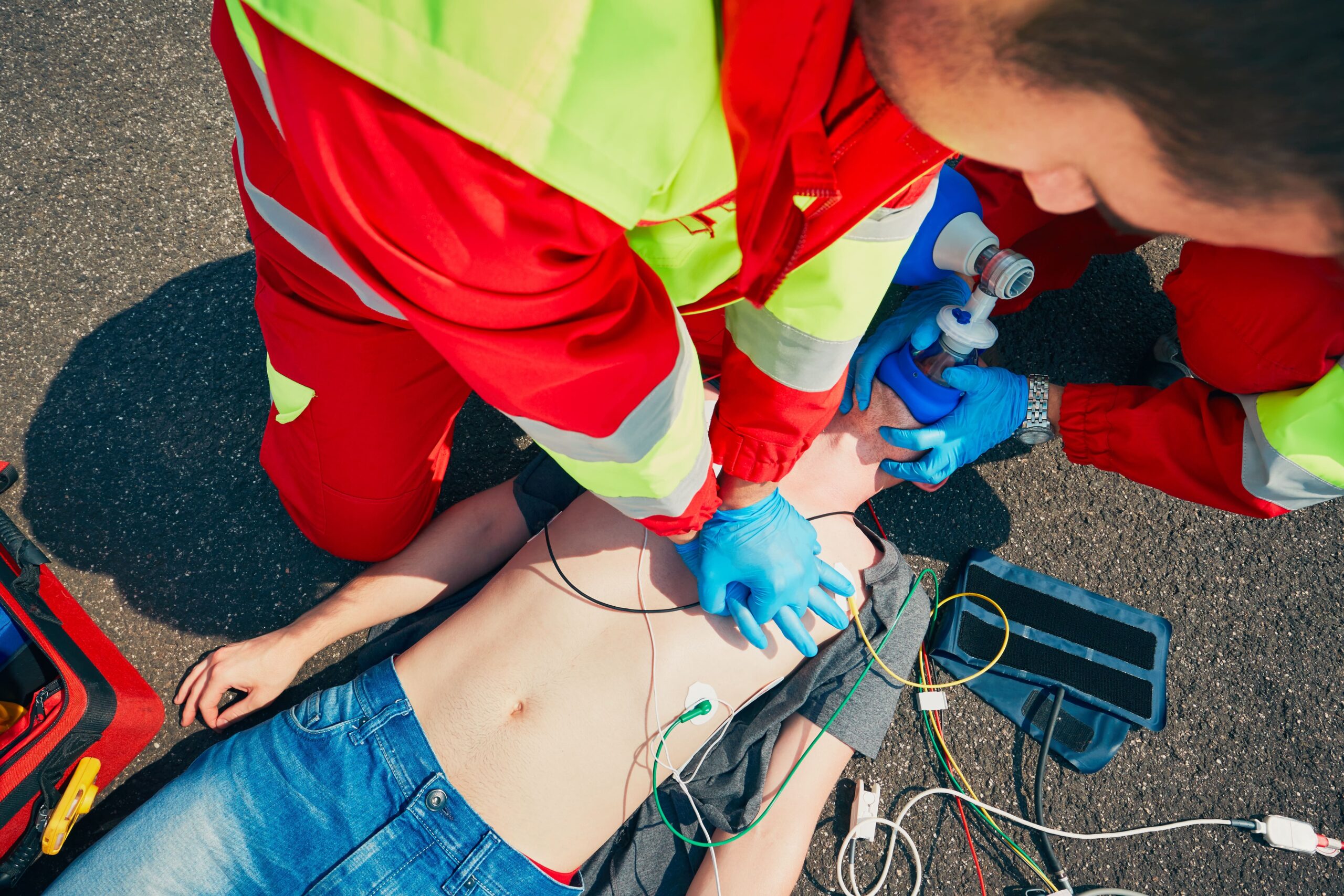
- Place your hands over the facility of the chest. Use your body weight to compress down set at a price of 100-120 compressions per minute. Ensure that each compression has to do with 2 inches deep but not greater than 2.4 inches; this helps prevent wrong compression depth.
4. Supplying Rescue Breaths (if educated)
If you're trained in rescue breaths:
- Give 30 breast compressions complied with by 2 rescue breaths. Ensure each breath lasts about one 2nd and makes the chest increase visibly.
Using an AED: Exactly How to Utilize It
An Automated External Defibrillator (AED) is a critical device that can recover a regular heart rhythm throughout heart attack:
Turn on the AED. Follow audio/visual prompts. Attach pads as suggested on the device. CPR certification nearby Allow it to assess heart rhythm and comply with directions accordingly.CPR for Different Age Groups
Understanding age-specific guidelines can make all the difference when executing mouth-to-mouth resuscitation:
Infant mouth-to-mouth resuscitation Technique
For babies under one year:
- Use two fingers for compressions in the facility of their chest. Provide gentle smokes as opposed to strong breaths.
Child vs Grownup Techniques
For children aged one year up until puberty:
- Use one hand for compressions if required yet aim for a deepness comparable to adults.
Special Circumstances Requiring Advanced Resuscitation Skills
Visit this siteCertain scenarios demand innovative strategies:
CPR for Drowning Victims
Drowning targets require instant rescue breaths prior to compressions due to possible hypoxia.
Sports-related Heart Arrests
In sports settings, understand how particular activities posture dangers and adjust your approach accordingly.
Workplace Emergency situation Strategies: Being Prepared at Work
Having an emergency situation reaction plan at the office can make sure everybody understands what actions to take throughout a dilemma:

Household CPR Preparedness: Preparing Your Home for Emergencies
Having a strategy in your home enhances your family's security:
- Keep an updated list of emergency situation get in touches with near phones. Have a quickly obtainable first aid kit with basic materials including handwear covers and masks.
Local CPR Classes: Where Can You Get Certified?
Enrolling in regional courses will outfit you with hands-on skills necessary for effective efficiency:
Check community centers or health centers offering courses. Look online for certifications offered in your area.Online CPR Certification: Flexible Learning Options
With modern technology at our fingertips, online sources provide versatility:
Courses are typically offered at any kind of time. Make sure they comply with recognized criteria like those from Red Cross or AHA.CPR Certification Needs in Australia
Different regions have varying demands relating to accreditation legitimacy period:
Typically valid for three years; check local regulations. Regular refreshers are recommended via proceeding education and learning courses.Latest Guidelines on Executing Mouth-to-mouth Resuscitation in Australia
Stay upgraded with current practices endorsed by health and wellness authorities:
Review adjustments yearly via health care publications or websites. Pay interest during re-certification courses as they show these updates.FAQ Section
What ought to I do if I'm uncertain about offering rescue breaths?
If you're awkward offering rescue breaths, emphasis entirely on chest compressions up until assistance gets here; this is still really effective!
Can I use an AED on myself if I'm unconscious?
No! AEDs are made for use on others just; always seek support from someone nearby if incapacitated.
What's the misconception surrounding "mouth-to-mouth resuscitation always reboots heart"?
It's essential to note that while many people think this misconception, many situations call for additional medical treatment beyond first resuscitation efforts.
Are there details standards based upon age?
Yes! Standards differ significantly in between grownups, kids, and babies; familiarize yourself with these age-specific protocols!
How commonly ought to I revitalize my skills?
It's suggested to take another look at training every 2 years or after considerable guideline updates from acknowledged firms like AHA or Red Cross.
Is it lawful to perform CPR if I'm not certified?
Yes! Good Samaritan legislations commonly shield people who use assistance throughout emergencies as long as actions are practical offered their degree of training!
Conclusion
Knowing how to carry out mouth-to-mouth resuscitation effectively can conserve lives-- yours consisted of! By comprehending important techniques such as analyzing circumstances immediately utilizing AED gadgets properly while adhering strictly age-based protocols makes certain better results throughout emergencies!
Remember-- the a lot more prepared you are with training courses certifications-- the higher impact you'll have when confronted with real-life situations! So don't wait-- enroll today!
In summary, whether you have an interest in taking regional courses or looking for online qualification opportunities-- there's no time like now! Prepare on your own today since every second counts when it boils down saving lives with correct application Cardiopulmonary Resuscitation techniques provided right here throughout "Exactly how To Do Mouth-to-mouth resuscitation: A Beginner's Guide To Life-Saving Methods."

First Aid Pro | First Aid Course Perth (RTO 31124) is one of Australia’s leading providers of accredited First Aid and CPR training. We specialise in Basic Life Support, CPR & First Aid, NDIS HISS, AED, and many other accredited courses. Our training is both convenient and comprehensive, combining online and face-to-face learning options to suit your needs. Keep your first aid certificates up to date with same-day certification upon completion. Plus, find a lower price, and we’ll instantly beat it by 10%! Conveniently located at 195 Adelaide Terrace, Perth, WA 6004. Visit our website for course dates, directions and parking details.
First Aid Pro | First Aid Course Perth (RTO 31124) is a nationally recognised leader in First Aid and CPR training. Our Perth training centre delivers accredited courses including CPR, Basic Life Support, AED, NDIS High Intensity Support Skills (HISS), and comprehensive First Aid certifications. We make training flexible and convenient with a blend of online learning and practical, face-to-face classes. Get same-day certification so you can stay compliant and confident in emergencies. Plus, with our Price Beat Guarantee, if you find a lower price, we’ll beat it by 10% on the spot. Located at 195 Adelaide Terrace, Perth, WA 6004, our venue is central, easy to access, and designed for a great learning experience. Visit our website to check course dates, directions, and parking details.